WHAT IT IS
Its own envelope
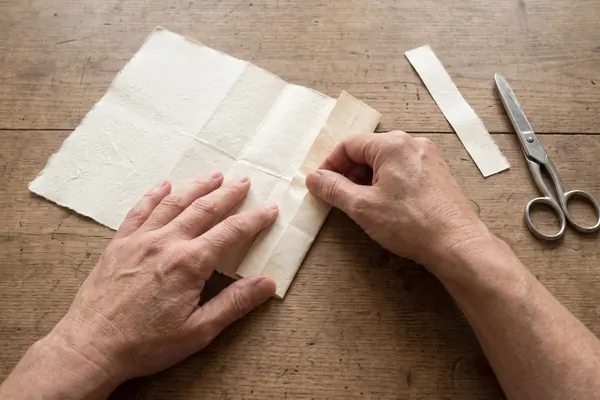
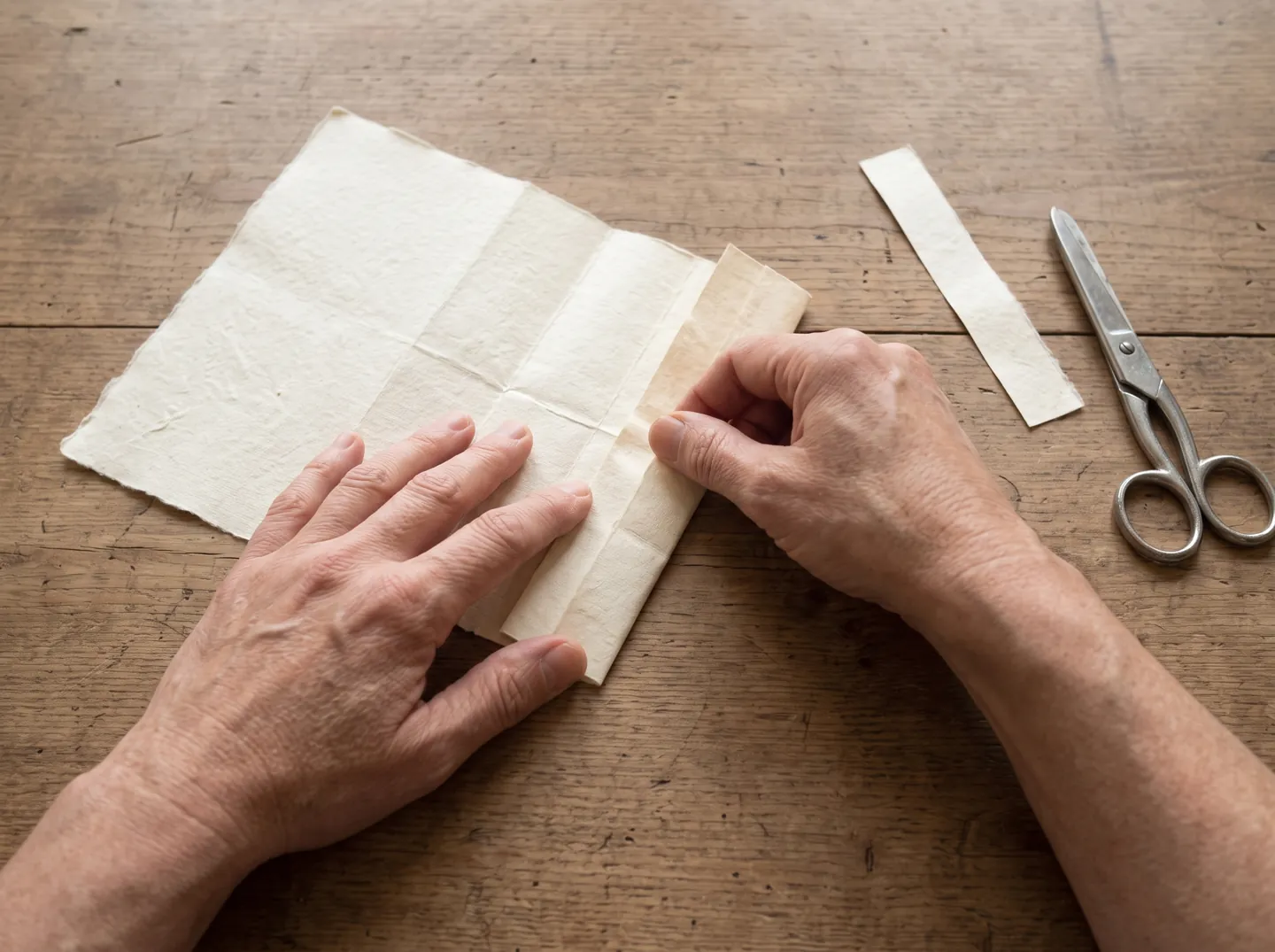
MIT Libraries describe letterlocking as folding and securing a flat sheet of paper so that it becomes its own envelope.
See the numbers
BEFORE THE ENVELOPE
FOLD · TUCK slit · seal
AI-generated image, not a photograph of a real person or place.
For centuries, a letter locked itself shut.
Before mass-produced envelopes arrived in the 1830s, most letters were folded and secured to become their own envelopes. Researchers call it letterlocking, and it was everyday practice across cultures and social classes.
THE SHORT ANSWER
Letterlocking turned one flat sheet into a closed packet.
The folds themselves are now historical evidence.
WHAT IT IS
MIT Libraries describe letterlocking as folding and securing a flat sheet of paper so that it becomes its own envelope.
See the numbersHOW IT WORKED
Researchers sort the methods by what was done to the paper: folds or rolls, tucks, slits or holes, adhesive and locks. Together these set a letter's security.
The four movesTHE TRUNK
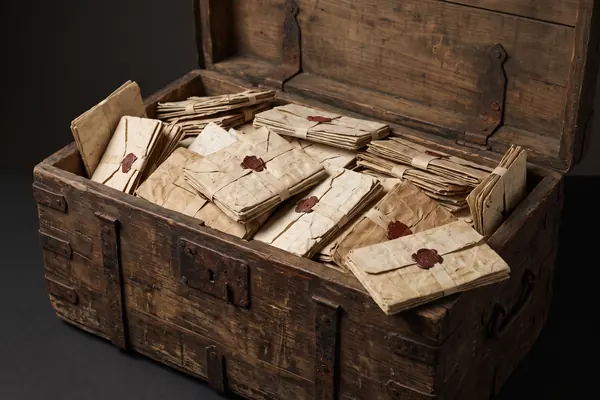
A European postmaster's trunk of 300-year-old undelivered mail still holds 577 letter packets that have never been opened.
Look inside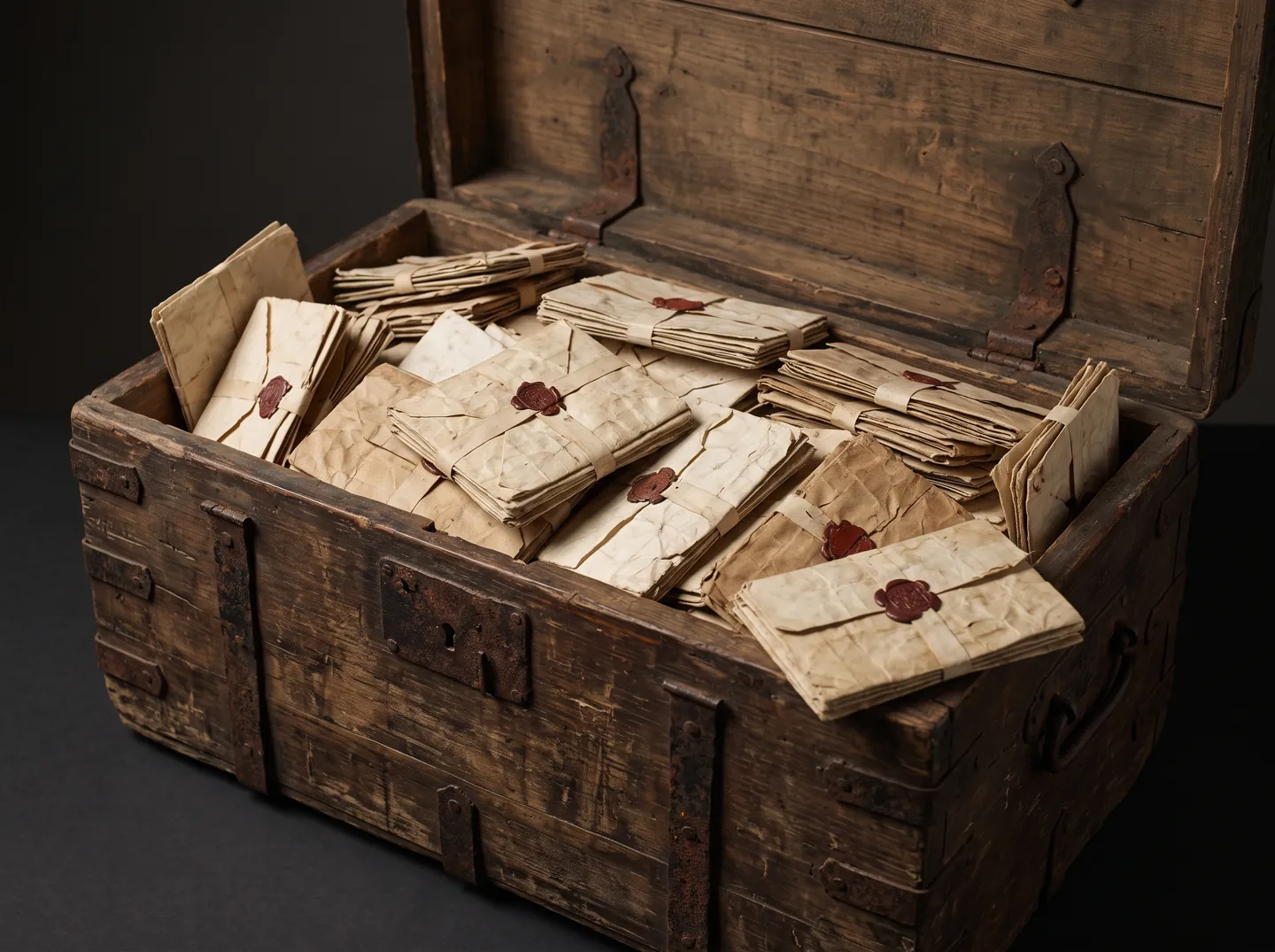
THE FOUR MOVES
Most locked letters combine a few simple moves. Researchers read these traces on old letters to work out how they were closed.
Some locks are cut from the blank edge of the sheet, so the writing needs room around it.
The Brienne packets studied by scanning each measure about 50 by 80 millimetres.
A tucked flap, a slit or a paper strip pushed through the folds holds the packet shut.
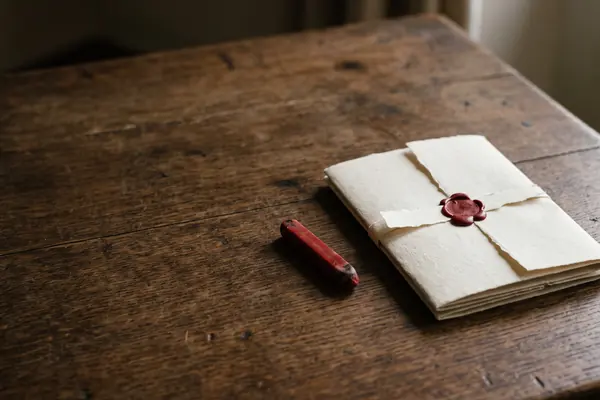
Sealing wax, a wafer or another adhesive finishes the lock and shows if it has been opened.
TWO NUMBERS WORTH KNOWING
One figure on how much has been studied,
one on how elaborate a single lock could be.
250,000
Historical letters studied
The research team studied 250,000 historical letters to build the first chart of letterlocking categories, numbered 1 to 64 and each given a security score.
THE STUDY · NATURE COMMUNICATIONS
30+ steps
Steps in one of the most secure locks
The spiral lock needs more than 30 steps. A narrow lock is cut from the blank margin and sewn through the folded letter like a needle.
THE SPIRAL LOCK · NPR
The researchers say the more secure locks made tampering evident to the person receiving the letter, and that how a letter was locked could signal the sender's class and education.
INSIDE THE TRUNK
Pick a group of items in the Brienne Collection, the postmaster's trunk of undelivered post. The bar shows how large each group is.
Figures from the 2021 Nature Communications paper on virtual unfolding of sealed letters, Table 1.
READING WITHOUT OPENING
Archives used to cut sealed letters open on request, which destroyed the folds. In 2021 a team scanned unopened packets with X-ray machines designed for dentistry and unfolded them virtually.
The method read an unopened letter dated 31 July 1697 for the first time, asking a cousin in The Hague for a certified copy of a death notice. The paper's folds and seal stayed intact.
In conversation
The historical practice of folding and securing a flat sheet of paper so that it becomes its own envelope. MIT Libraries say it was an everyday activity for centuries, across cultures, borders and social classes.
The 2021 Nature Communications paper says most letters were sent this way before mass-produced envelopes spread in the 1830s.
A European postmaster's trunk of 300-year-old undelivered post, now at Sound and Vision in The Hague. It holds 3,148 catalogued items, including 577 letter packets that have never been opened.
Researchers scanned packets with X-ray microtomography, using machines designed for dentistry, then used an algorithm to separate the paper layers and flatten them on screen.
One of the most secure methods. NPR reports it takes more than 30 steps: a narrow strip is cut from the margin and sewn through the folded letter. Mary, Queen of Scots used one on her last letter in 1587.
Each figure on this page comes from the sources below.
ABOUT THIS NAME
doodleletter.com is part of the DoodleSale portfolio. It isn't in an auction right now, but you can ask about leasing it.